

bulletproof glass for cars
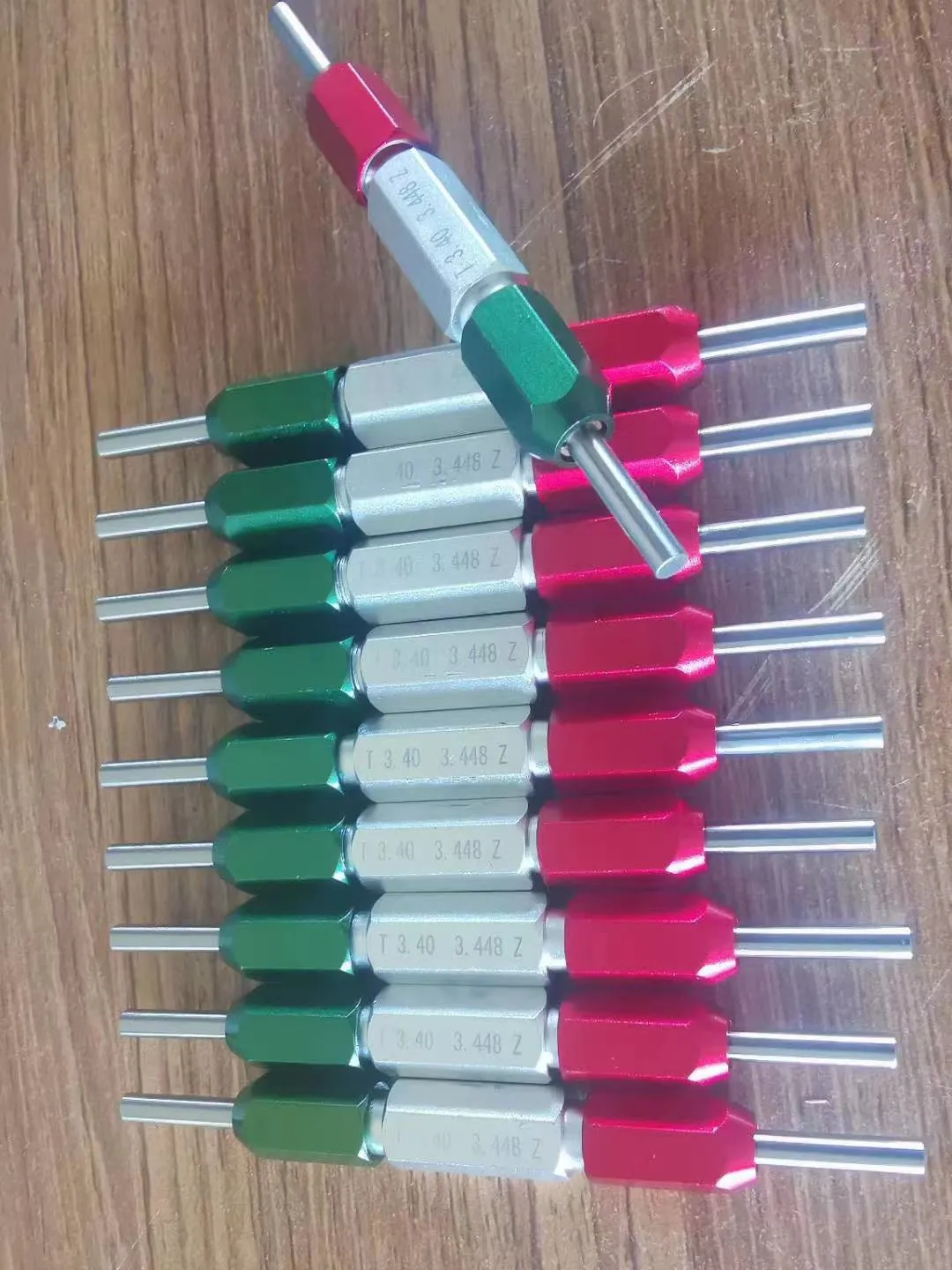
Understanding the Metal Ring Gauge A Comprehensive Guide The metal ring gauge is an essential tool used in various industries, particularly in manufacturing and engineering, to measure the dimensions of metal and other materials accurately. Understanding its functionality, applications, and advantages can help professionals maintain quality standards and improve their measurement processes. This article aims to explore the significance of metal ring gauges, their design, benefits, and usage in different sectors. What is a Metal Ring Gauge? A metal ring gauge, often referred to as a ring caliper or ring gauge, is a cylindrical measuring instrument typically made from steel or other durable metals. Its primary purpose is to measure the outer diameter of a workpiece accurately. It can be designed for either internal or external measurements, depending on the specific requirements of the application. The gauge is often machined to exact specifications, allowing it to serve as a standard reference for checking the dimensions of parts and components. It comes in various sizes and tolerances, enabling it to accommodate a wide range of applications. How Does it Work? The working principle of a metal ring gauge is straightforward. The gauge features a calibrated inner and outer diameter that corresponds to the specific measurement it is designed to check. When a workpiece is inserted into the gauge, it should fit snugly against the calibrated surfaces. If the workpiece fits perfectly, it conforms to the required dimensions; if it does not fit, it indicates a deviation from the desired specification. Metal ring gauges can be used either for direct measurement or as a go/no-go gauge. In a direct measurement scenario, they provide a precise measurement, while in a go/no-go application, they determine whether a workpiece falls within desired tolerances, allowing for a binary check of quality. Advantages of Using Metal Ring Gauges 1. Accuracy and Precision One of the primary advantages of using metal ring gauges is their ability to deliver highly accurate measurements. Metal is less prone to wear and deformation compared to other materials, making it suitable for precise applications. 2. Durability Made from high-quality materials, these gauges can withstand harsh conditions and repeated use without significant degradation. This durability ensures they remain a reliable source of measurement over time . metal ring gauge 3. Ease of Use Metal ring gauges are easy to operate, requiring no special training. This simplicity allows for quick checks on the production floor, which can lead to increased efficiency in manufacturing processes. 4. Versatility They can be used in a variety of applications, from automotive and aerospace manufacturing to construction and machining. The different sizes and tolerances available ensure that there is a suitable gauge for nearly any measurement task. 5. Cost-Effectiveness Investing in metal ring gauges can be a cost-effective solution for companies looking to ensure quality control. By helping to eliminate defects, they reduce the likelihood of costly rework or product failures. Applications of Metal Ring Gauges Metal ring gauges find their utility in a wide range of industries - Manufacturing In manufacturing environments, they're used primarily for quality control and assurance. Checking the diameters of shafts, tubes, or other round components ensures that they meet engineering specifications. - Aerospace The aerospace industry relies heavily on precision. Metal ring gauges are critical in inspecting critical components to ensure they meet safety and performance standards. - Automotive In the automotive sector, metal ring gauges help verify the dimensions of engine parts, fasteners, and other components, which contribute to the overall performance and safety of vehicles. - Construction Builders and contractors utilize these gauges to confirm that fittings and pipes meet the necessary specifications, ensuring proper assembly and functionality. Conclusion In conclusion, metal ring gauges are invaluable tools in various sectors for their precision and reliability. Their ability to provide accurate measurements and their durability make them indispensable in quality control and assurance processes. As industries continue to seek advancements in accuracy and efficiency, the role of metal ring gauges will remain crucial in ensuring that high standards are met across the board. Investing in quality measuring tools like metal ring gauges not only enhances product quality but also contributes to overall operational effectiveness in manufacturing and engineering practices.
about
bulletproof glass for cars
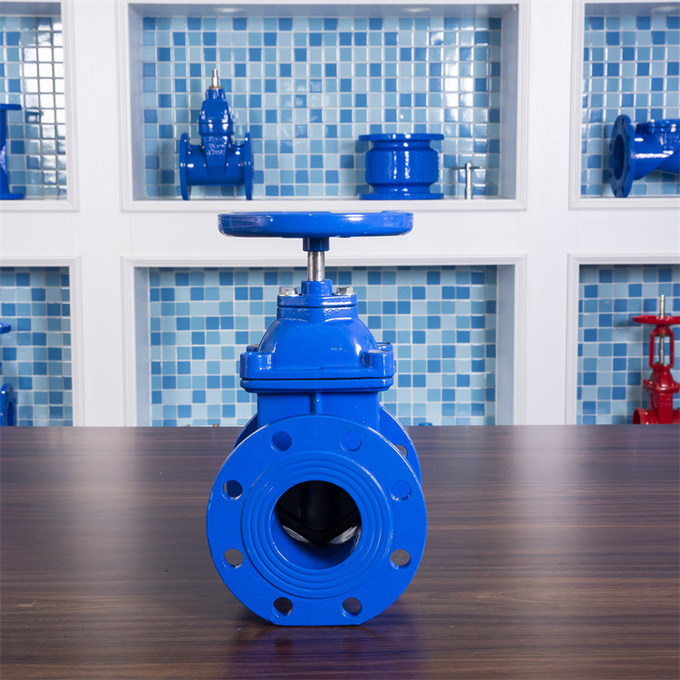
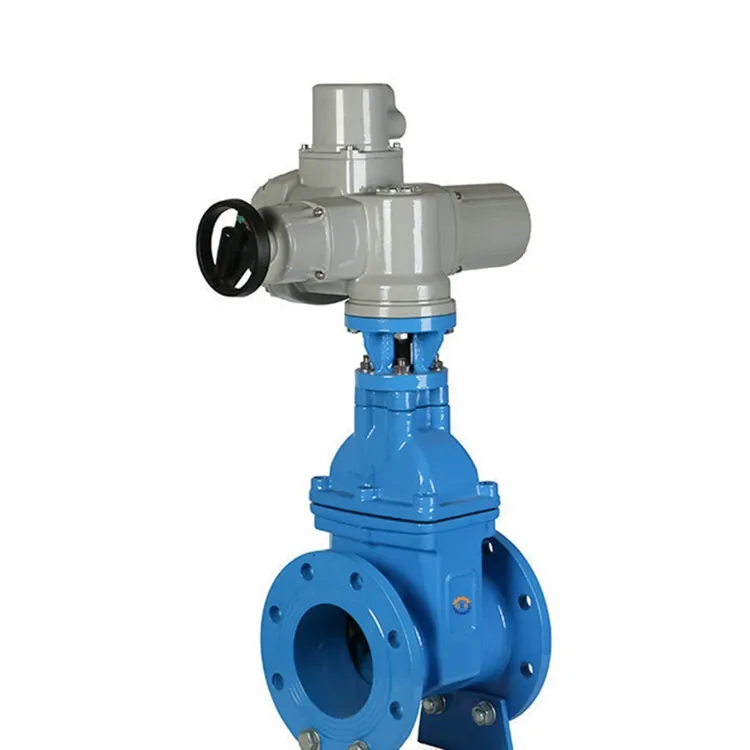
How to Change the Main Water Valve A Step-by-Step Guide Changing the main water valve in your home can seem like a daunting task, but with the right tools and a little guidance, it can be accomplished with ease. This essential component controls the flow of water into your home, and knowing how to replace it can save you from potential flooding or water damage. Here is a comprehensive step-by-step guide on how to change your main water valve safely and efficiently. Understanding the Main Water Valve The main water valve is typically located near where the water line enters your home, often found in the basement, crawlspace, or near the foundation. The valve allows you to shut off the water supply for repairs or emergencies, making it crucial for managing your household's plumbing system. Tools and Materials You'll Need Before you begin, gather the necessary tools and materials - Adjustable wrench or pipe wrench - Screwdriver - Hacksaw (if needed) - Replacement valve (matching your existing size and type) - Plumber’s tape - Towels or sponge (for any spills) - Bucket (to catch any residual water) Step 1 Shut Off the Water Supply This is the most important step. Locate your main water shut-off valve. If you're unsure where it is, turn on a faucet to identify which direction is the supply; then use that knowledge to find the valve. Once you locate it, turn the valve clockwise until it stops. This action will cut off the water flow to your home. Step 2 Drain the Lines Next, open faucets throughout your home to relieve pressure and drain any residual water in the pipes. Start with the highest faucet to allow gravity to help, then work your way down to the lowest . This step will help minimize any mess when you remove the old valve. Step 3 Remove the Old Valve how to change main water valve Using your adjustable wrench, loosen the nuts attaching the old valve to the water supply pipes. Depending on the type of connections (threaded, compression, etc.), you may need to adjust your approach. If the old valve is soldered, you may need a hacksaw to cut it out. Be cautious if you are cutting through metal; the area can become sharp. Step 4 Prepare for Installation Once the old valve is removed, clean the threads of the pipes to ensure there is no debris or old plumber’s tape left. This will help create a proper seal when the new valve is installed. Inspect the condition of the connecting pipes; if they show signs of corrosion or damage, you may need to address those issues before proceeding. Step 5 Install the New Valve Take your replacement valve and wrap the threads with plumber’s tape. This tape helps to create a watertight seal and makes it easier to screw on the new valve. Hand tighten the valve onto the pipes first, then use your wrench to secure it further, but avoid overtightening, which can damage the threads. Step 6 Turn the Water Supply Back On Once the new valve is securely in place, you can turn the main supply back on. Turn the valve counter-clockwise slowly to avoid sudden pressure changes. Check for leaks around the new valve as water begins to flow. Step 7 Test Everything After you have turned the water back on, inspect the installation for any signs of leaks. Open a few faucets in your home to allow water to flow through the plumbing system. This step ensures that everything is functioning correctly and that your new valve is operating as it should. Conclusion Replacing the main water valve in your home may seem challenging, but by following these steps, you can do it on your own, saving money on professional plumber costs. It’s always a good idea to familiarize yourself with your home’s plumbing system, and knowing how to replace your main water valve can empower you to handle future plumbing issues with confidence. If you encounter any complications or are uncertain about any step, don’t hesitate to consult a professional plumber. Your home’s water system deserves the best care and attention!
-

High quality industrial productsagement

High quality industrial products
View Details -

Meet the diverse needs of customers

Meet the diverse needs of customers
View Details -

Strict quality control

Strict quality control
View Details -

Top raw materials

Top raw materials
View Details -

Trusted supplier

Trusted supplier
View Details
Our application

news and information
Versatile Clamps for Efficient Welding Table Setup and Secure Workholding Solutions
Essential Guide to Welding Table Clamps A Must-Have for Every Workshop Welding is a crucial skill in
welding table clamps
The Importance of Welding Table Clamps in Metalworking Welding is a fundamental process in metalwork
V Block Design - Innovative Modular Solutions for Modern Spaces
Understanding V-Block Design in Modern Engineering V-Block design is a pivotal concept in modern eng
 English